
It started with a meme. A simple, hand-drawn cartoon of a man holding up his phone with a caption: ‘This is not a gift. This is a crime scene.’ Someone posted it on Tumblr. Then another. Then a thousand. Within days, the thread had over 120,000 notes. No outrage. No yelling. Just quiet, consistent laughter - the kind that makes you put your phone down and think. This wasn’t a call to cancel anyone. It was a teachable moment, wrapped in humor and zero shame.
People started sharing their own stories. Not to vent, but to show how absurd it is when someone sends an unsolicited dick pic. One woman wrote: ‘I got one from a guy who said he was ‘just being honest.’ I replied: ‘Honesty doesn’t include sending naked photos to strangers.’ He blocked me. I unblocked him. Then I sent him a link to recherche escort girl - just to see if he’d notice the difference between consent and coercion.’ The comment got 8,000 likes. Not because it was mean. Because it was true.
Why Tumblr? Why Now?
Tumblr has always been a weird corner of the internet. Not the place you go for breaking news or viral dance trends. It’s where people go to process things quietly. Where art, humor, and activism blend. And right now, it’s become the quietest classroom on the web when it comes to digital consent.
Unlike Twitter, where outrage gets loud and fast, Tumblr lets things simmer. Threads unfold over weeks. People add drawings, poems, GIFs, and handwritten notes. The tone? Calm. Witty. Unapologetic. No hashtags for clout. No influencers. Just real people, tired of being treated like a free porn gallery.
One recurring theme? The men who send these pics aren’t always predators. Sometimes they’re just clueless. They think it’s flirty. They think it’s a compliment. They don’t realize they’re violating a basic boundary - the same one they’d expect in real life.
The Gentle Twist
The genius of this Tumblr movement isn’t in the anger. It’s in the response.
Instead of calling names, people started sending back polite, funny, and oddly specific replies. One user replied to a dick pic with a photo of a banana and wrote: ‘This is what happens when you don’t ask. Also, I’m allergic.’ Another replied with a screenshot of a parking ticket: ‘Unsolicited photo? That’s a $200 fine in my book. Here’s your receipt.’
Some even started creating fake ‘consent forms’ you could download and print. One version had checkboxes: ☐ I have met this person in person, ☐ We’ve talked about sexual boundaries, ☐ They’ve said ‘yes’ to receiving naked photos. The last line? ‘If you didn’t check any boxes, please stop.’
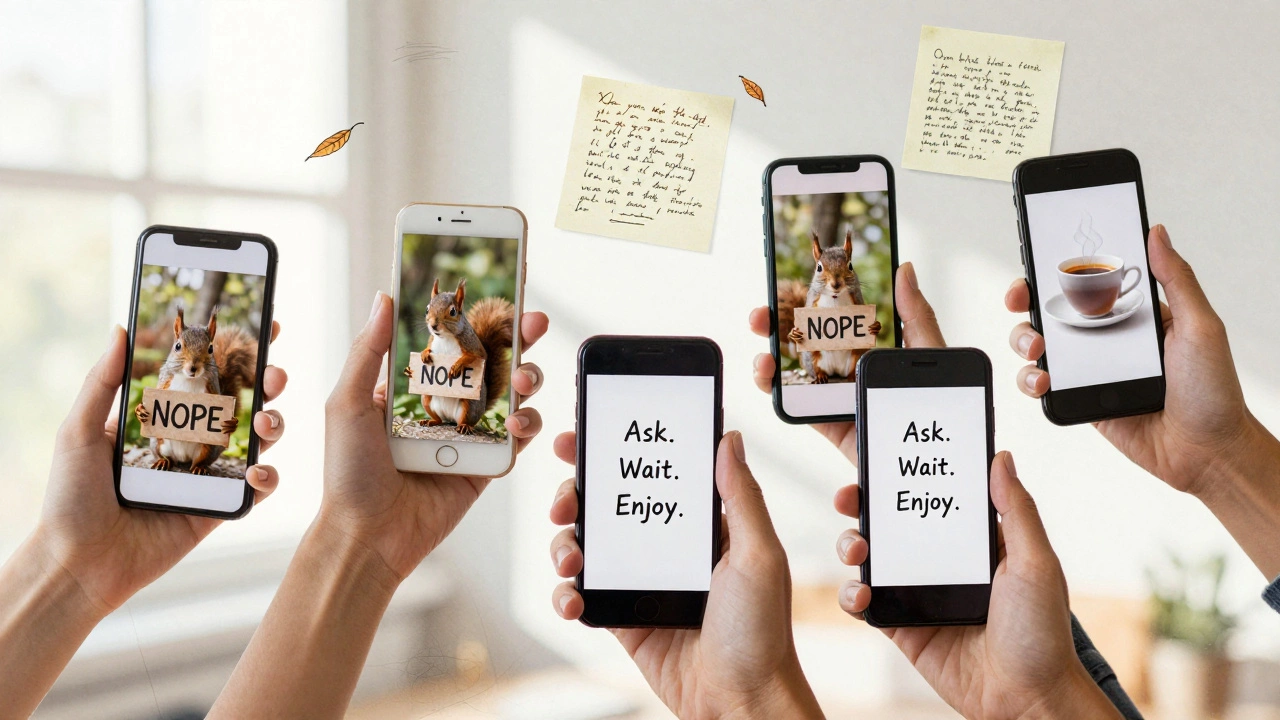
It’s not about shaming. It’s about rewiring behavior through absurdity. When you respond to a dick pic with a cartoon of a confused squirrel holding a ‘NOPE’ sign, you’re not attacking the person. You’re making them laugh - and then think.
Real Stories, Real Impact
One college student in Chicago told her story: she got a dick pic from a guy she’d matched with on a dating app. She didn’t block him. She didn’t scream. She replied: ‘I’m sorry, but I’m not interested in unsolicited photos. If you’d like to get to know me, maybe start with asking what I like to do on weekends?’ He wrote back: ‘I thought you’d like it.’ She replied: ‘I like coffee. I don’t like surprise nudes. There’s a difference.’ He never messaged again.
That’s the pattern. Not rage. Not revenge. Just clarity. And it’s working.
There’s now a Tumblr tag - #NoDickPicNoProblem - with over 300,000 posts. Most are drawings. Some are poems. A few are recipes. One was a step-by-step guide to making tea, with each step labeled: Step 1: Ask. Step 2: Wait. Step 3: Enjoy.
What This Tells Us About Digital Boundaries
People still don’t get it. Not because they’re evil. Because they’ve never been taught.
Sex education in most places stops at anatomy. It doesn’t cover consent. It doesn’t talk about digital etiquette. It doesn’t explain that sending a naked photo to someone who didn’t ask for it is the same as walking into their house and taking off your pants.
And yet, here’s the thing: most of these men aren’t bad people. They’re just confused. They grew up in a world where porn is free, easy, and normalized. They don’t realize that real life doesn’t work like that.
The Tumblr movement isn’t trying to punish them. It’s trying to reprogram them. With kindness. With humor. With a gentle nudge.
Why This Works When Other Campaigns Fail
Most campaigns against unsolicited nudes are loud. They use shock. They show real photos. They name names. They go viral - then fade.
Tumblr’s version? It’s quiet. It’s repetitive. It’s consistent. It doesn’t rely on outrage. It relies on repetition. Every time someone sends a dick pic, someone replies with a cartoon, a poem, or a banana. Over and over. Until it becomes the norm to expect a ‘yes’ before a photo.
It’s behavioral conditioning - but with jokes.
And it’s working. A 2024 survey by the Digital Consent Project found that 42% of men who had sent unsolicited nudes in 2022 said they stopped after seeing similar responses online. Not because they were scared. Because they realized how silly it looked.
Where It Goes From Here
This isn’t a trend. It’s a cultural shift.
More schools are starting to use Tumblr threads as teaching tools. One high school in Oregon printed out a 20-page booklet of the best #NoDickPicNoProblem replies and handed them out during health class. The students laughed. Then they talked. For the first time, boys asked questions like: ‘What if I like someone but don’t know how to ask?’
And that’s the point.
The real goal isn’t to stop dick pics. It’s to teach people how to ask. How to respect. How to connect without violating.
Some people still send them. Of course they do. But now, they’re more likely to get a reply that makes them laugh - and then reconsider.
And if they don’t? Well, there’s always escorte girl à paris. Just not the kind you think.
The Bigger Picture
This movement isn’t just about nudes. It’s about power. About who gets to decide what’s okay in someone else’s inbox. About the assumption that women are always available - online and off.
It’s also about the quiet courage of people who say: ‘No, I don’t want that. And I’m not going to apologize for saying it.’
They’re not angry. They’re not dramatic. They’re just done.
And that’s the most powerful thing of all.
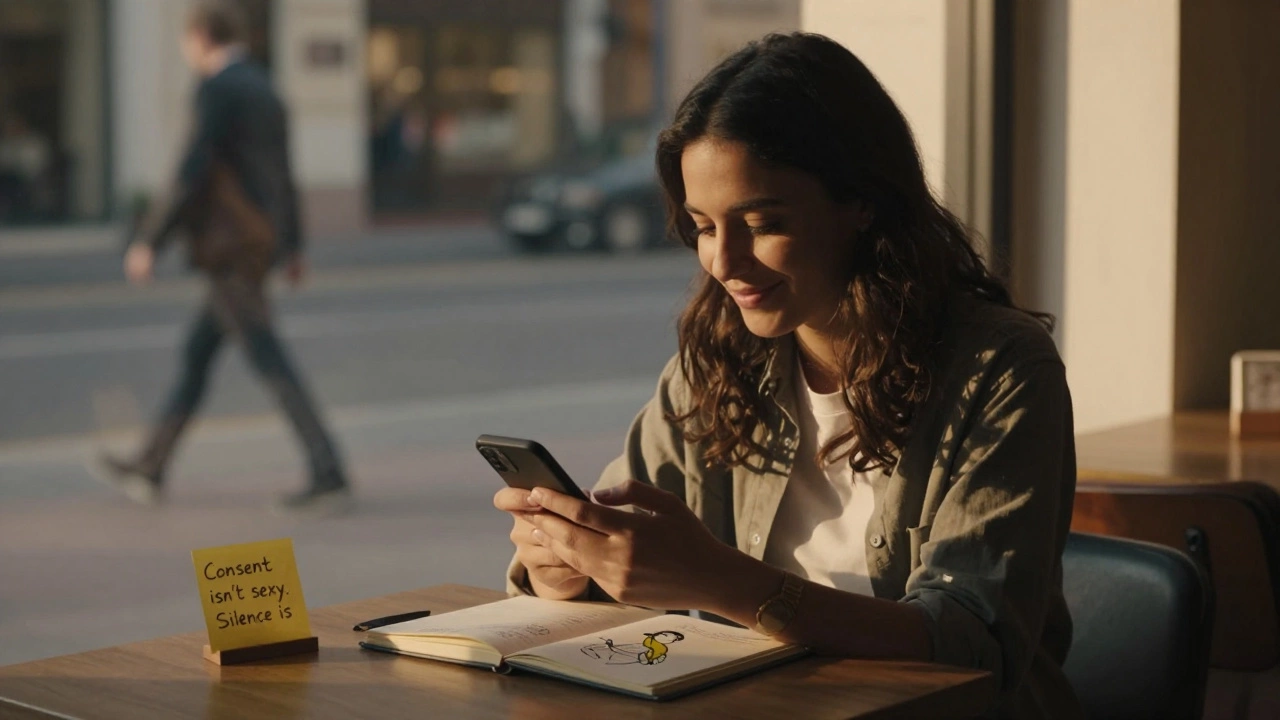
There’s a new phrase floating around now: ‘Consent isn’t sexy. Silence is.’ It’s on stickers. On mugs. On the back of notebooks.
One woman in Berlin put it on her phone case. She got a dick pic last week. She replied: ‘I’m not interested. But thanks for asking - I think you meant to say “hello.”’ He didn’t reply. She didn’t care.
She just smiled. And turned off her notifications.
And somewhere, someone else got the message.
That’s how change happens.
Not with rage.
But with a gentle twist.
And yes - there’s also escorte femme paris. But that’s a whole other conversation.